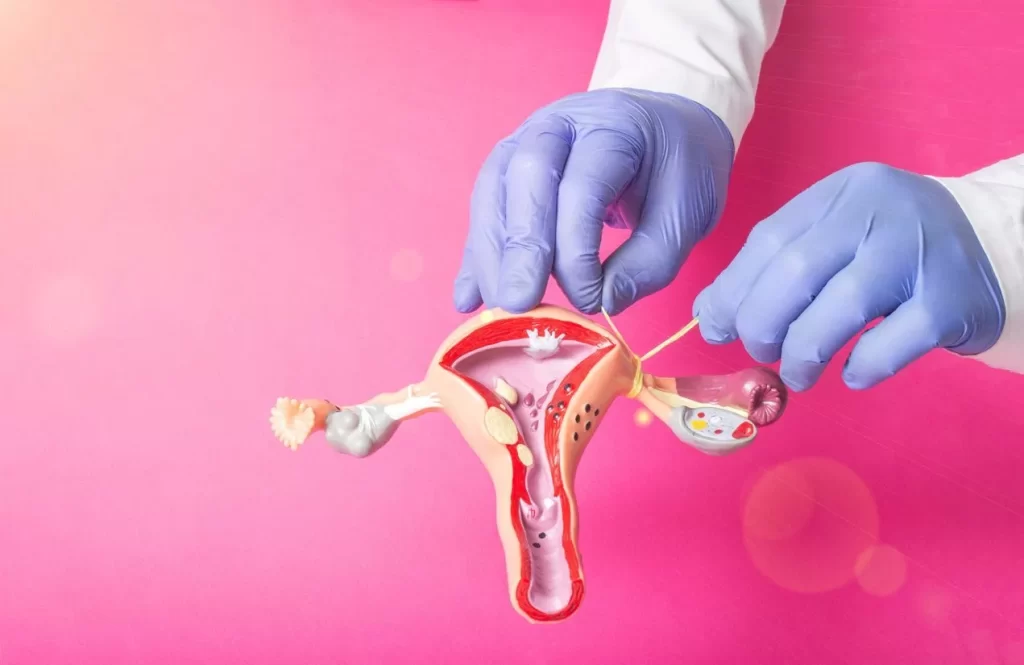
A tubal reversal is a surgical procedure to reconnect the fallopian tubes, and this operation aims to restore the pathway for an egg to travel from the ovary to the uterus. Women who previously had a tubal ligation may choose this procedure, and it presents an option for those seeking to become pregnant again. Understanding the various factors involved helps you make an informed decision. Here is more information about the success rates of this procedure:
Pregnancy Success Rates
Pregnancy rates after a tubal reversal generally range from 50% to 80%. These numbers vary based on individual circumstances, so they serve only as a general guide. Many elements influence the final outcome for each person. In some cases, the specific type of tubal ligation originally performed also plays a part in the potential for future pregnancy.
Age Factors
A woman’s age may be a primary factor in tubal reversal success. Younger women may see higher pregnancy rates post-surgery. Fertility naturally declines with age, which affects outcomes after the procedure is completed. For this reason, age is a significant discussion point with your healthcare provider.
Older women may face additional challenges. For some women, the quality and quantity of eggs diminish over time. This biological reality exists separately from the condition of the fallopian tubes, and it is a natural part of the aging process for all women.
Your overall health profile contributes to the results. When applicable, pre-existing health conditions might influence pregnancy success following the surgery. A thorough health evaluation provides a clearer picture of what you might expect, so your doctor will review your medical history.
IVF Comparisons
In vitro fertilization (IVF) is an alternative to tubal reversal. IVF involves fertilizing an egg outside the body, and then the resulting embryo is transferred to the uterus. This method bypasses the fallopian tubes altogether. In some cases, people choose IVF instead of undergoing another surgery.
Success rates for IVF also depend on several factors, including age and the cause of infertility. The decision between tubal reversal and IVF is personal. It typically involves evaluating factors, procedural preferences, and desired timelines, which you can discuss with a specialist. Your specific situation will guide the ideal path forward for you.
Other Factors
A key barrier to pregnancy is an ectopic pregnancy. This happens when a fertilized egg implants outside the uterus, typically in a fallopian tube. An ectopic pregnancy cannot continue and needs medical attention, so knowing the symptoms is beneficial for your safety. Several other factors can also influence pregnancy rates after the procedure, including:
- Your age at the time of the reversal: A younger age is generally linked to higher success rates.
- The type of tubal ligation you had: Some methods may be more easily reversed than others.
- The length and health of your remaining fallopian tubes: More functional tube length increases the chance of success.
- Your partner’s sperm count and motility: Overall fertility depends on both partners.
Schedule a Tubal Reversal
Making a choice about your reproductive health is a significant step, and gathering information about tubal reversal helps you understand the procedure and its potential outcomes. If you are ready to explore your options, specialists can provide information and support. Contact a clinic today to schedule a consultation with a specialist.
About the Author