Modern technology is advancing rapidly, and new innovations like LiDAR sensors are becoming common in cars, smartphones, and industrial equipment. However, alongside these advancements, a new concern has emerged among smartphone users: phone camera LiDAR damage. Viral videos and real-world reports have shown smartphone cameras developing strange colored spots after filming certain laser-based devices, leading many people to ask whether LiDAR can actually damage a phone camera.
This detailed guide explains the topic in easy wording. You will learn what LiDAR is, why it can affect cameras, when damage occurs, how to recognize it, and most importantly, how to protect your device safely.
Introduction to Phone Camera LiDAR Damage
In recent years, discussions about phone camera LiDAR damage have increased dramatically. As autonomous vehicles and advanced sensing technologies become more visible in public spaces, more people are unknowingly exposing their phone cameras to powerful laser systems.
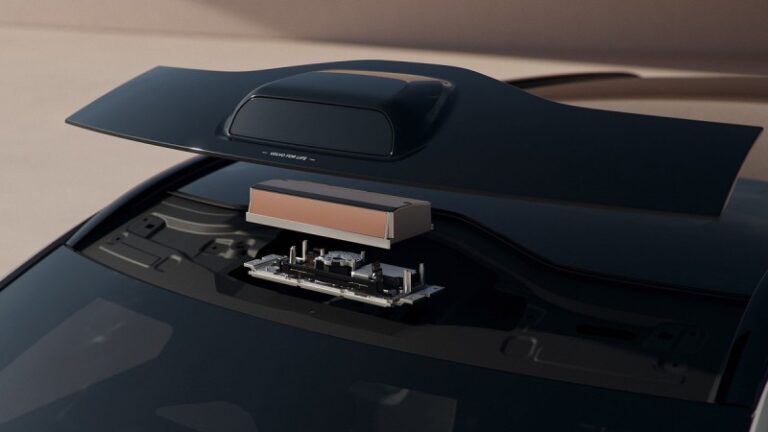
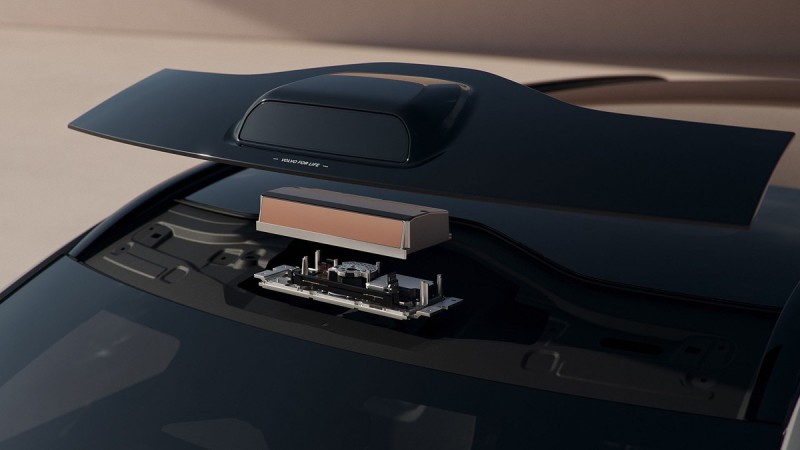
Many users first noticed the issue when recording modern vehicles equipped with roof-mounted sensors. During filming, bright pixels suddenly appeared on the screen and remained permanently visible afterward. These incidents raised awareness that while LiDAR technology is generally safe for humans, it can sometimes harm sensitive electronic camera components.
Understanding why this happens requires learning both how LiDAR works and how smartphone cameras capture images.
What Is LiDAR Technology?
LiDAR stands for Light Detection and Ranging, a technology that measures distance using pulses of laser light. Instead of using radio waves like radar, LiDAR sends out thousands of invisible infrared laser beams every second.
When these light pulses hit objects, they bounce back to the sensor. By calculating how long the reflection takes, the system creates precise three-dimensional maps of surroundings.
Today, LiDAR technology is widely used in:
- Self-driving and advanced driver-assistance vehicles
- Robotics and automation systems
- Mapping and surveying industries
- Drones and environmental scanning
- Smartphones with depth-sensing features
Most LiDAR systems operate using infrared light that humans cannot see. Safety standards classify many of these systems as eye-safe because their energy spreads across a wide area. However, cameras react differently than human eyes.
How Smartphone Cameras Work
To understand phone camera LiDAR damage, it is important to know how smartphone cameras function.
Inside every phone camera is a CMOS image sensor, a small electronic chip made up of millions of tiny pixels. Each pixel collects light and converts it into electrical signals that form a digital image.
The camera lens plays a crucial role by focusing incoming light precisely onto the sensor surface. This focusing ability allows cameras to capture clear images even in low light, but it also creates vulnerability.
Because the lens concentrates light into a very small area, intense light sources — especially lasers — can deliver more energy to individual pixels than they are designed to handle.
What Is Phone Camera LiDAR Damage?
Phone camera LiDAR damage refers to permanent harm to a smartphone camera sensor caused by direct exposure to LiDAR laser beams.
When a concentrated laser enters the camera lens, it may overheat microscopic pixels on the sensor. These pixels can stop functioning correctly, creating permanent defects visible in all future photos and videos.
Unlike temporary glare or reflections, this damage is physical and cannot be fixed through software.
In simple terms, the laser energy can “burn” parts of the sensor, leaving visible marks that remain permanently.
Why LiDAR Can Damage Cameras but Not Humans
One of the most confusing aspects of this topic is why LiDAR systems considered safe for human eyes can still damage cameras.
The answer lies in how light interacts differently with biological tissue and electronic sensors.
| Human Eye | Smartphone Camera Sensor |
|---|---|
| Light spreads naturally | Light is focused tightly |
| Blink reflex limits exposure | Constant exposure |
| Biological tolerance | Electronic sensitivity |
| Self-protection mechanisms | No natural protection |
Human eyes disperse incoming light across a larger surface, while camera lenses concentrate light intensely onto microscopic pixels. This concentration dramatically increases energy density, which can exceed the sensor’s tolerance even when the laser is eye-safe.
Real-World Incidents and Public Awareness
Reports of phone camera LiDAR damage gained attention after demonstrations showed smartphone cameras being affected while filming LiDAR-equipped vehicles. In some cases, damage appeared instantly as bright purple or white dots on the camera display.
Automotive manufacturers have even warned users not to aim cameras directly at LiDAR emitters at close range. These warnings are not meant to create fear but to prevent accidental sensor exposure.
The spread of these videos helped educate the public about risks that were previously known mostly among photography and engineering professionals.
Signs and Symptoms of LiDAR Camera Damage
Damage caused by laser exposure has recognizable visual characteristics. Users often notice problems immediately during recording or afterward when reviewing photos.
Common symptoms include:
- Bright colored dots that never disappear
- Green, purple, or white pixels in images
- Star-like patterns or streaks
- Permanent spots appearing in every photo
- Distortion visible across multiple camera apps
Because the issue affects hardware, switching apps or resetting the phone does not remove the marks.
When LiDAR Damage Is Most Likely to Happen
Phone camera LiDAR damage does not occur during normal everyday photography. Specific conditions increase risk significantly.
Damage becomes more likely when the camera is pointed directly into a LiDAR emitter at close distance. Using zoom lenses further increases risk because they concentrate light more strongly onto the sensor.
The following comparison explains risk levels:
| Situation | Risk Level |
|---|---|
| Direct close-range filming of LiDAR | High |
| Using telephoto zoom on sensor | High |
| Short distant exposure | Low |
| Normal photography around vehicles | Very Low |
Most incidents involve intentional close-up filming rather than accidental exposure.
Types of Laser Sources That Can Cause Similar Damage
Although LiDAR receives most attention, it is not the only source capable of damaging cameras.
Other strong laser sources include:
- Concert laser lighting systems
- Industrial scanning equipment
- Scientific research lasers
- High-powered laser pointers
Any focused laser entering a camera lens has the potential to harm the sensor if exposure is strong enough.
Why Zooming Makes Damage Worse
Zoom lenses narrow the field of view and magnify distant objects. While this improves detail, it also concentrates incoming light into a smaller sensor area.
This effect works similarly to a magnifying glass focusing sunlight onto paper. The energy becomes concentrated enough to cause overheating.
Therefore, filming LiDAR sensors while zoomed in significantly increases the chance of phone camera LiDAR damage.
Can Smartphone LiDAR Damage Other Phones?
Many people worry that their own smartphone’s LiDAR scanner could harm nearby devices. Fortunately, this is not the case.
Smartphone LiDAR systems operate at much lower power levels designed only for short-range depth sensing and augmented reality features. They are engineered specifically to avoid harming users or nearby electronics.
Automotive and industrial LiDAR systems operate at far higher power ranges compared to mobile devices.
How to Protect Your Phone Camera
Preventing phone camera LiDAR damage is simple once users understand safe habits.
Good protection practices include maintaining distance from visible laser emitters and avoiding direct filming of scanning sensors. If you notice flickering dots appearing while recording, immediately move the camera away.
Practical safety habits include:
- Avoid pointing cameras directly at LiDAR units
- Do not zoom into laser sources
- Keep safe distance from scanning equipment
- Be cautious at laser shows or exhibitions
These small precautions greatly reduce risk.
Can LiDAR Camera Damage Be Fixed?
Unfortunately, LiDAR-related damage is usually permanent because it affects the physical image sensor.
| Attempted Fix | Result |
|---|---|
| Restarting phone | No improvement |
| Software reset | No improvement |
| App reinstall | No improvement |
| Camera module replacement | Effective solution |
Repair typically requires replacing the entire camera module through professional service.
Common Myths About Phone Camera LiDAR Damage
Several misconceptions exist around this topic. Some people believe LiDAR instantly destroys cameras or poses serious danger to humans. In reality, damage occurs only under specific conditions involving direct exposure.
Normal photography, walking near LiDAR-equipped vehicles, or everyday phone usage remains safe.
Understanding facts helps prevent unnecessary fear while encouraging responsible camera use.
Future Risks as LiDAR Becomes More Common
As autonomous vehicles and smart sensing systems become widespread, encounters with LiDAR technology will increase. Content creators, reviewers, and photographers may interact with these systems more frequently.
Education and awareness will become increasingly important so users understand safe recording practices in technology-rich environments.
Who Should Be Most Careful?
Certain groups face higher exposure risk due to their activities:
- Tech reviewers filming new vehicles
- Automotive content creators
- Event videographers working near lasers
- Photographers experimenting with zoom lenses
For general smartphone users, risk remains minimal.
Frequently Asked Questions (FAQs)
1. Can LiDAR permanently damage phone cameras?
Yes, direct exposure at close range can permanently damage camera sensors.
2. Is it safe to photograph LiDAR-equipped cars?
Yes, as long as you avoid filming directly into the sensor at close distance.
3. Does iPhone LiDAR cause damage?
No, smartphone LiDAR scanners operate at safe low power levels.
4. Can damaged pixels be repaired by software?
No, hardware replacement is required.
5. Should everyday users worry about LiDAR?
No. Normal photography poses very low risk.
Conclusion
Phone camera LiDAR damage is a real but highly situational issue caused by concentrated laser light entering sensitive smartphone camera sensors. While LiDAR systems are designed to be safe for humans, camera lenses can focus laser energy intensely enough to permanently damage pixels under direct exposure.
The good news is that damage is easily preventable. By avoiding direct close-range filming of LiDAR emitters and practicing simple awareness, users can safely enjoy photography even in environments filled with advanced technology.
As LiDAR becomes more common in modern life, understanding how it interacts with cameras ensures both safer usage and longer-lasting smartphone performance.
About the Author