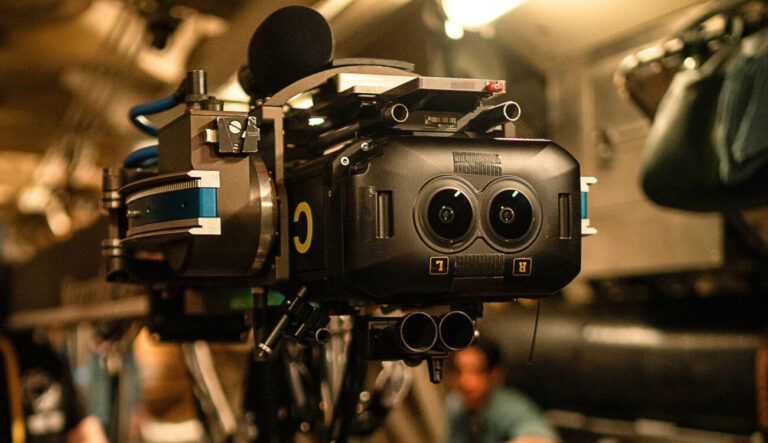
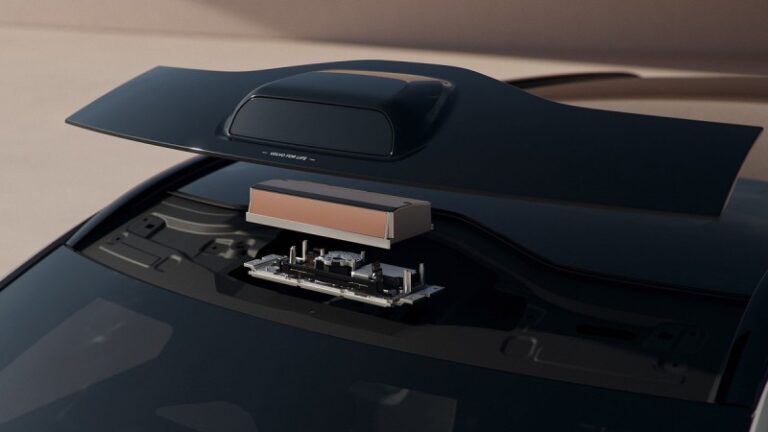
CCTV mounted over an English main road. Focus on the camera only. Wide aperture (f:1.2) to isolate the foreground. Some natural vignetting occurring.
Modern transportation systems rely heavily on technology to keep roads safe and traffic flowing smoothly. One of the most useful tools available to drivers today is the network of ohio interstate traffic cameras, which provide real-time views of highways across the state. These cameras help commuters, travelers, and transportation officials monitor road conditions, detect incidents quickly, and improve overall travel safety.
This detailed guide explains everything in easy wording — what Ohio interstate traffic cameras are, how they work, where they are located, how drivers can access them, and why they have become an essential part of modern highway management.
Introduction to Ohio Interstate Traffic Cameras
Traffic congestion, weather changes, construction zones, and accidents can significantly affect highway travel. In a busy state like Ohio, which connects major regions of the Midwest, managing interstate traffic efficiently is extremely important.
To solve these challenges, the Ohio Department of Transportation (ODOT) developed a statewide monitoring system that uses hundreds of roadside cameras. These ohio interstate traffic cameras allow both transportation officials and the public to see current road conditions before and during travel.
Instead of relying only on radio traffic reports, drivers can now visually check highways in real time. This shift toward digital monitoring has transformed how people plan trips and respond to traffic situations.
What Are Ohio Interstate Traffic Cameras?
Ohio interstate traffic cameras are video monitoring devices installed along highways and major interchanges throughout the state. Their primary purpose is traffic observation rather than law enforcement.
These cameras continuously capture images of roadway conditions and send them to traffic management centers. The information is then shared with the public through online platforms.
The main goals of these cameras include:
- Monitoring traffic flow
- Detecting accidents quickly
- Observing weather impacts
- Supporting emergency response teams
- Providing travelers with real-time information
Unlike speed enforcement systems, most interstate cameras focus only on roadway conditions and not on identifying individual drivers.
The Role of ODOT in Traffic Camera Operations
The Ohio Department of Transportation is responsible for building, maintaining, and operating interstate highways across the state. ODOT also manages the infrastructure behind ohio interstate traffic cameras.
Traffic management centers staffed by trained operators monitor live feeds around the clock. When incidents occur, operators coordinate with emergency responders, highway patrol, and maintenance crews.
This centralized monitoring allows faster decision-making. For example, if a crash blocks lanes during rush hour, officials can quickly deploy assistance and update travel alerts for drivers statewide.
The OHGO System: Ohio’s Official Traffic Camera Platform
The public accesses most ohio interstate traffic cameras through OHGO, Ohio’s official traveler information system.
OHGO provides an interactive online map where users can click camera icons and instantly view roadway images. The platform combines multiple data sources into one convenient tool, including traffic speeds, construction alerts, weather updates, and incident reports.
Drivers can access OHGO through:
- Desktop web browsers
- Smartphones and tablets
- Official mobile applications
The system makes travel planning easier by allowing users to check conditions before leaving home.
Number and Coverage of Traffic Cameras in Ohio
Ohio operates one of the most extensive traffic camera networks in the region. More than 900 cameras are installed across highways statewide, covering urban centers, rural corridors, and major freight routes.
Camera placement depends on several factors:
| Placement Factor | Reason |
|---|---|
| High traffic volume | Monitor congestion |
| Accident-prone areas | Improve response times |
| Major interchanges | Manage merging traffic |
| Weather-sensitive zones | Monitor snow and ice |
As traffic demand grows, additional cameras continue to be installed to expand coverage.
Major Ohio Interstates Covered by Traffic Cameras
Ohio interstate traffic cameras monitor nearly all major highway corridors connecting cities and neighboring states.
| Interstate | Coverage Area |
|---|---|
| I-70 | Columbus and western Ohio |
| I-71 | Cleveland to Cincinnati corridor |
| I-75 | Toledo through Dayton to Cincinnati |
| I-77 | Northeast Ohio region |
| I-80 / Ohio Turnpike | Northern freight corridor |
| I-90 | Lake Erie shoreline highways |
| I-270 | Columbus outer belt |
These routes carry heavy commuter and commercial traffic, making real-time monitoring essential.
How Ohio Interstate Traffic Cameras Work
The operation of ohio interstate traffic cameras involves several connected technologies working together.
First, cameras installed on poles or overhead structures capture roadway images continuously. These images travel through fiber-optic or wireless communication networks to traffic management centers.
Operators analyze traffic conditions and update digital systems. Selected images are then published online where drivers can access them.
The process can be summarized as:
- Cameras capture highway images
- Data transmits to monitoring centers
- Operators review conditions
- Information updates public platforms
- Drivers view live images online
Images typically refresh every few seconds rather than providing uninterrupted video streams.
Types of Traffic Cameras Used on Ohio Interstates
Ohio uses several types of cameras depending on monitoring needs.
Fixed Monitoring Cameras
These cameras remain focused on specific lanes or intersections and provide continuous views of traffic flow.
Pan-Tilt-Zoom (PTZ) Cameras
Operators can remotely rotate and zoom these cameras to inspect accidents or congestion areas more closely.
Weather Observation Cameras
Installed in areas affected by heavy snowfall or fog, these cameras help monitor road conditions during severe weather.
Each camera type contributes to a comprehensive statewide monitoring system.
Major Cities with Extensive Camera Networks
Large metropolitan areas contain higher concentrations of ohio interstate traffic cameras because of heavier traffic volumes.
Columbus
Cameras monitor I-70, I-71, I-670, and the I-270 beltway to manage commuter traffic and downtown congestion.
Cleveland
Extensive coverage exists along I-90, I-77, and I-480 corridors where traffic density is high.
Cincinnati
Interstate cameras help manage busy freeway interchanges connecting Ohio with Kentucky and Indiana.
Urban monitoring improves response times and reduces traffic disruptions.
How Drivers Can View Ohio Interstate Traffic Cameras
Accessing live highway cameras is simple and free.
Drivers typically use the OHGO website, which provides an interactive map showing camera locations. Clicking a camera icon opens the latest roadway image.
The OHGO mobile app adds additional convenience by offering alerts, route tracking, and travel notifications.
Some local news and weather websites also display selected camera feeds for major cities, giving drivers multiple access options.
Are Ohio Interstate Traffic Cameras Used for Speed Tickets?
A common misconception is that interstate cameras issue speeding tickets. In most cases, this is not true.
Ohio interstate traffic cameras primarily serve monitoring and informational purposes. They help transportation officials observe traffic conditions rather than enforce traffic laws.
Separate enforcement cameras may exist on certain local roads, but they operate independently from ODOT’s interstate monitoring system.
Benefits of Ohio Interstate Traffic Cameras
The advantages of ohio interstate traffic cameras extend to both drivers and transportation agencies.
Drivers gain immediate awareness of road conditions, allowing them to avoid congestion or dangerous weather. Transportation officials benefit from faster incident detection, which improves emergency response efficiency.
Overall benefits include improved travel planning, reduced delays, and increased highway safety.
Traffic Cameras and Winter Weather Monitoring
Ohio experiences significant winter weather, making road monitoring especially important during snow and ice events.
Traffic cameras allow officials to observe:
- Snow accumulation
- Road visibility
- Ice conditions
- Traffic slowdowns
Drivers can visually confirm conditions instead of relying solely on forecasts, helping them make safer travel decisions.
Privacy and Public Access Policies
Privacy protection remains an important consideration. Ohio interstate traffic cameras focus on roadway activity rather than individuals.
Public camera feeds typically show still images refreshed periodically rather than continuous video streams. This approach provides useful traffic information while maintaining privacy standards.
Technology Behind Ohio’s Traffic Management System
Behind the scenes, Ohio uses advanced infrastructure to support traffic monitoring.
Key technologies include:
- Fiber-optic communication networks
- Centralized traffic management centers
- Digital message signs
- Automated incident detection systems
These technologies work together to create a smart transportation environment.
Future Developments in Ohio Traffic Camera Systems
Transportation technology continues evolving. Future improvements may include artificial intelligence that automatically detects accidents and predicts congestion before it occurs.
Connected vehicle technology may eventually allow cars to communicate directly with traffic systems, improving safety and efficiency even further.
Who Benefits Most from Traffic Cameras
Ohio interstate traffic cameras help a wide range of users.
Daily commuters use them to avoid delays, while truck drivers rely on them for route planning. Emergency responders gain faster access to incident information, and travelers benefit from safer long-distance journeys.
Tips for Using Ohio Interstate Traffic Cameras Effectively
Drivers can maximize benefits by checking cameras before leaving home, especially during rush hours or bad weather. Monitoring alternate routes and reviewing highway conditions can save significant travel time.
Using alerts alongside camera views provides the most accurate picture of current traffic situations.
Frequently Asked Questions (FAQs)
1. Can I watch Ohio interstate traffic cameras live?
Yes, live images are available through the OHGO website and mobile app.
2. Are traffic camera services free?
Yes, public access is completely free.
3. How often do camera images update?
Images typically refresh every few seconds.
4. Are cameras monitored 24/7?
Yes, traffic management centers operate continuously.
5. Do traffic cameras record drivers personally?
No, they mainly monitor roadway conditions rather than individuals.
Conclusion
Ohio interstate traffic cameras have become a vital part of the state’s transportation system, helping drivers travel more safely and efficiently. By providing real-time views of highways, these cameras allow travelers to make informed decisions, avoid congestion, and prepare for changing weather conditions.
As technology continues advancing, traffic monitoring systems will play an even greater role in improving road safety and travel convenience across Ohio. Checking interstate cameras before traveling is quickly becoming a smart habit for modern drivers seeking smoother and safer journeys.
About the Author