1. Introduction
If you have an old laptop hard drive lying around, you might be thinking about using it inside your desktop PC for extra storage. This is a smart and budget-friendly idea because laptop hard drives still work perfectly for saving files, keeping backups, storing movies, or even running lightweight programs.
In this guide, you will learn exactly how to add laptop thin hip hard drive intosktop in a safe and easy way. The good thing is that most laptop drives are compatible with desktops, especially if they use the common SATA connection. Even if you are a beginner, you can follow this guide step by step without confusion.
By the end, you’ll understand the full process—from checking the drive type to installing it inside the case, detecting it in BIOS, and preparing it inside Windows.
2. Understanding Laptop and Desktop Hard Drives
Before you install anything, it is important to understand what makes laptop drives different from desktop drives. This will help you avoid mistakes and choose the correct accessories.
What is a Laptop Hard Drive?
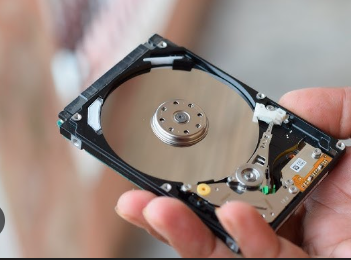
A laptop hard drive is usually smaller and designed to fit inside compact laptops. Most laptop drives come in a 2.5-inch size, which means the physical body of the drive is smaller than desktop drives. Laptop hard drives are made to use less power and run quietly because laptops depend on battery life and need to stay cool.
What is a Desktop Hard Drive?
A desktop hard drive is generally larger and is made for bigger PC cases. Most desktop HDDs are 3.5-inch drives, which are wider and thicker. Desktop drives can be faster in some cases and often provide more storage at a cheaper price compared to laptop drives.
Form Factor Difference (2.5-inch vs 3.5-inch)
The main difference is size. A desktop case normally has slots made for 3.5-inch drives, while laptop drives are 2.5-inch. That’s why many people use a bracket or adapter to install a laptop drive properly.
Here’s a simple comparison:
| Feature | Laptop Hard Drive | Desktop Hard Drive |
|---|---|---|
| Common Size | 2.5-inch | 3.5-inch |
| Power Use | Lower | Higher |
| Mounting | Smaller bay or bracket needed | Fits standard bays |
| Speed | Good for storage/backup | Often faster and bigger |
| Best Use | Extra storage, backup, portable data | Main storage, heavy usage |
So, when you want to add laptop thin hip hard drive intosktop, the biggest issue is usually mounting, not compatibility.
SATA vs IDE (Important to Check)
Most modern laptop hard drives use SATA connections. SATA drives are easy to connect to desktops because desktops also use SATA ports.
However, if your laptop hard drive is very old, it might be IDE (PATA). IDE drives need a special adapter because modern desktop motherboards usually don’t support IDE anymore.
A quick tip:
If the drive has a thin L-shaped connector, it is SATA.
If it has a wide pin connector, it is likely IDE.
3. What You Need Before You Start
Installing a laptop drive inside a desktop is simple, but you still need a few things to do it properly.
Basic Tools You Should Have
You don’t need professional tools. A few common items are enough:
- A normal screwdriver (usually Phillips)
- A clean working area
- Optional but recommended: anti-static wrist strap
Static electricity can damage computer parts, so it’s always better to touch a metal surface before handling the drive.
Required Components for Installation
To successfully add laptop thin hip hard drive intosktop, you need these items:
- SATA data cable
This connects the drive to the motherboard. - SATA power connector
This comes from the desktop power supply unit (PSU). - 2.5-inch to 3.5-inch bracket (optional)
This helps mount the smaller laptop drive in a normal desktop bay.
Some cases already have a dedicated 2.5-inch slot, so you may not need it.
Safety Precautions
Before opening the PC case, follow these safety steps:
- Shut down the desktop properly
- Remove the power cable from the wall
- Press the power button once to discharge leftover power
- Avoid working on carpet because it increases static
These steps reduce risk and make installation safe.
4. Step-by-Step: Installing the Laptop Hard Drive Into a Desktop
Now let’s go through the main process. This is the part most people worry about, but it’s actually very easy if you follow each step calmly.
4.1 Prepare Your Desktop Case
First, place your desktop on a flat surface. Open the side panel of the case using the screwdriver. Most cases open from the left side (when you face the front of the PC).
Once open, you will see the motherboard, power supply, and drive bays.
4.2 Locate Drive Bays and SATA Ports
Look for empty bays where hard drives are installed. You may see existing HDDs or SSDs already mounted.
Next, find SATA ports on the motherboard. These are small connectors usually placed on the lower right side of the motherboard.
4.3 Mount the Laptop Hard Drive Properly
Because laptop drives are smaller, you have three common mounting options:
- If your case supports 2.5-inch mounting, screw the drive directly into that slot.
- If your case has only 3.5-inch bays, use a 2.5-inch to 3.5-inch bracket.
- If you don’t have a bracket, some people place the drive carefully in the case temporarily, but this is not recommended because it may move and get damaged.
A properly mounted drive is safer, quieter, and lasts longer.
4.4 Connect the SATA Power Cable
Now take the SATA power connector from the power supply. It is usually a flat connector and fits only one way.
Plug it into the drive gently. Do not force it.
4.5 Connect the SATA Data Cable
Take the SATA data cable and connect one side to the drive and the other side to the motherboard SATA port.
Make sure both ends are connected firmly.
4.6 Cable Management and Final Check
Before closing the case, check that:
- Cables are not blocking fans
- The drive is stable and screwed properly
- The connectors are not loose
Good cable management improves airflow and keeps the system cooler.
4.7 Close the Case and Power On
Close the side panel and tighten the screws. Then plug the power cable back in and turn on your desktop.
At this stage, you have successfully completed the physical part of how to add laptop thin hip hard drive intosktop.
5. BIOS/UEFI and Drive Detection
After installation, your desktop should detect the new drive automatically. But sometimes you need to confirm it in BIOS/UEFI.
5.1 How to Enter BIOS/UEFI
When your PC starts, press one of these keys repeatedly:
- DEL
- F2
- F10
- ESC (depends on motherboard brand)
5.2 Check if the Drive is Detected
Inside BIOS, look for storage information. You should see your new laptop hard drive listed there.
If the drive appears, it means the hardware connection is correct.
5.3 Boot Order (Only if Needed)
If you want to boot from the laptop drive, you can change boot priority. But most users only want extra storage, so you don’t need to change anything.
5.4 If BIOS Doesn’t Show the Drive
If the drive is not detected:
- Try a different SATA port
- Replace the SATA data cable
- Check if power cable is connected properly
- Test the drive using another PC or USB adapter
6. Preparing the Drive for Use (Windows Setup)
Even if the desktop detects the drive, Windows may not show it in “This PC” until you initialize it.
6.1 Open Disk Management
In Windows:
- Right-click Start button
- Click Disk Management
Here you can see all connected drives.
6.2 Initialize and Format the Drive
If the drive is new or empty, Windows will ask to initialize it.
You may see options like:
- MBR (older style)
- GPT (recommended for modern systems)
After initialization, create a new volume and format it (usually NTFS for Windows).
6.3 Assign a Drive Letter
To make the drive appear in File Explorer, it needs a drive letter like D:, E:, or F:.
Once assigned, it will show in “This PC” and you can start using it immediately.
6.4 Using It as Storage vs OS Drive
If the laptop drive already has Windows installed, it may not boot properly in a desktop because drivers and hardware are different. For most people, the best idea is to use it as a storage drive, not as a boot drive.
7. Common Challenges and How to Solve Them
Sometimes users face small issues when they try to add laptop thin hip hard drive intosktop, but most problems are easy to fix.
7.1 Drive Not Showing in BIOS
This usually means a connection issue. Re-check SATA power and data cables. If possible, try another SATA port.
7.2 Drive Shows in BIOS But Not in Windows
This means Windows hasn’t assigned a drive letter or the partition is missing. Disk Management is the solution.
7.3 Drive Makes Clicking Noise
A clicking drive may be failing. If the drive contains important data, stop using it immediately and consider data recovery options.
7.4 Using Older IDE Laptop Drives
If the drive is IDE, you cannot connect it directly to a modern desktop motherboard without an adapter. The easiest solution is to use a USB-to-IDE adapter or external enclosure.
8. Alternative Ways to Use a Laptop Hard Drive
If you don’t want to install the drive inside the desktop, you still have good options.
8.1 Use a USB to SATA Adapter
A USB-to-SATA adapter allows you to connect the laptop hard drive externally like a USB drive. This is great for quick file access.
8.2 Use an External Enclosure
A hard drive enclosure turns the laptop drive into a portable external drive. It’s useful for backups and transferring files between computers.
8.3 Data Recovery Use
If your laptop stopped working but the hard drive is fine, connecting it to a desktop is a great way to recover important files such as photos, documents, and videos.
9. FAQs
1. Can I use any laptop hard drive in a desktop PC?
Yes, most laptop drives work in desktops as long as they are SATA. IDE drives may require an adapter.
2. Do I need a special power cable?
No. Desktop power supplies usually have SATA power connectors, which work with laptop SATA drives too.
3. Why is my drive not showing in “This PC”?
It may need initialization, formatting, or a drive letter assignment using Disk Management.
4. Can I boot Windows from a laptop hard drive in a desktop?
Sometimes yes, but it may cause driver and boot issues. It’s better to use it as storage unless you reinstall Windows.
5. Is a laptop HDD slower than a desktop HDD?
In many cases yes, because laptop HDDs often run at lower RPM. But they are still useful for storage and backups.
10. Summary and Final Tips
Adding a laptop drive into a desktop is a simple and cost-effective way to increase storage. The process mainly involves mounting the drive correctly, connecting SATA power and data cables, checking BIOS detection, and preparing the drive inside Windows.
If you follow this guide properly, you can easily add laptop thin hip hard drive intosktop without needing a technician. Just remember to handle the drive carefully, avoid static electricity, and always format or initialize the drive correctly before using it.
If you want, I can also write a short version, a troubleshooting-only guide, or an SEO-friendly blog post for your website with the same keyword targeting.
About the Author