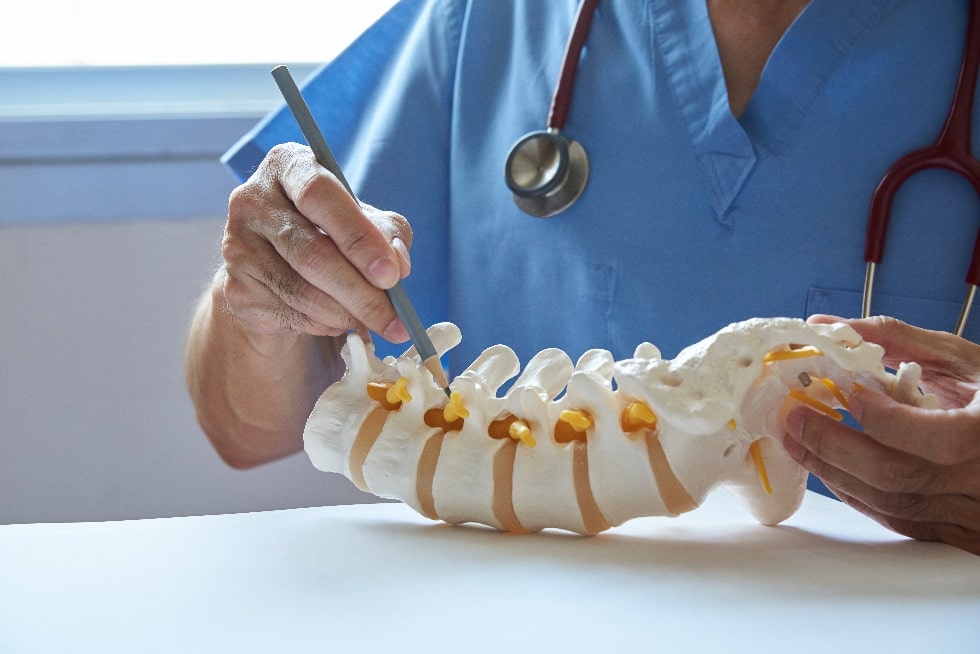
Orthopedic surgeons diagnose and treat ailments affecting the musculoskeletal system, and this includes bones, joints, ligaments, tendons, and muscles. When injury or disease impacts these structures, you require specialized medical attention to restore function. Here is more information about choosing the right orthopedic surgeon for your physical needs:
Evaluate Surgeon’s Specialties
Orthopedics covers a vast range of body parts, and finding a specialist matters greatly. While a general orthopedic surgeon treats many conditions, a specialist focuses on specific areas, such as the spine or hands. You benefit from finding someone who dedicates their practice to your particular area of concern. Look for these types of specialty areas and services:
- Spine surgery
- Joint replacement
- Sports medicine
- Hand and wrist surgery
- Foot and ankle surgery
Determine Orthopedic Needs
The process begins when you identify specific pain points or functional limitations in your body. You might notice persistent stiffness in your knees, or perhaps your shoulder aches after minor exertion. Because symptoms vary widely from person to person, documenting your physical experiences helps clarify the issue before you meet a doctor.
Different injuries require distinct approaches, and you must understand the nature of your discomfort. Some conditions stem from acute trauma, while others develop slowly over time due to wear and tear. You give the orthopedic surgeon a better starting point by recording when the pain started and what activities worsen it.
You also need to assess how these physical limitations affect your daily routine and work life. If climbing stairs becomes impossible, you may face a significant hurdle that demands immediate professional intervention. Simple tasks like grocery shopping or walking the dog might become painful ordeals that disrupt your normal schedule.
Look for Multiple Providers
Researching several doctors allows you to compare their approaches and communication styles effectively. You might find one surgeon who favors surgery immediately, while another prefers exhausting non-surgical methods first. While both are qualified, one philosophy might align better with your personal preferences and comfort level. When you gather multiple perspectives, you build a comprehensive picture of what to expect from each provider.
Seek Interventional Options
Many orthopedic issues improve significantly without the need for invasive surgical procedures. Physical therapy strengthens the muscles around a joint, or medication reduces inflammation that causes pain. If these conservative treatments fail to provide relief, surgery becomes a more viable option to explore.
Interventional pain management offers another pathway for patients who want to avoid the operating room. Doctors administer precise injections that target nerve roots or joints to alleviate severe discomfort. Because these treatments bridge the gap between medication and surgery, they offer a middle ground for treatment.
Visit an Orthopedic Surgeon Today
Taking action now prevents minor injuries from becoming chronic, debilitating conditions later. You need a life free from musculoskeletal pain to be physically active, so booking an appointment starts your recovery. When you delay treatment, the condition typically worsens and requires more aggressive intervention down the road. Schedule a consultation with a qualified specialist to discuss your symptoms and treatment goals.
About the Author