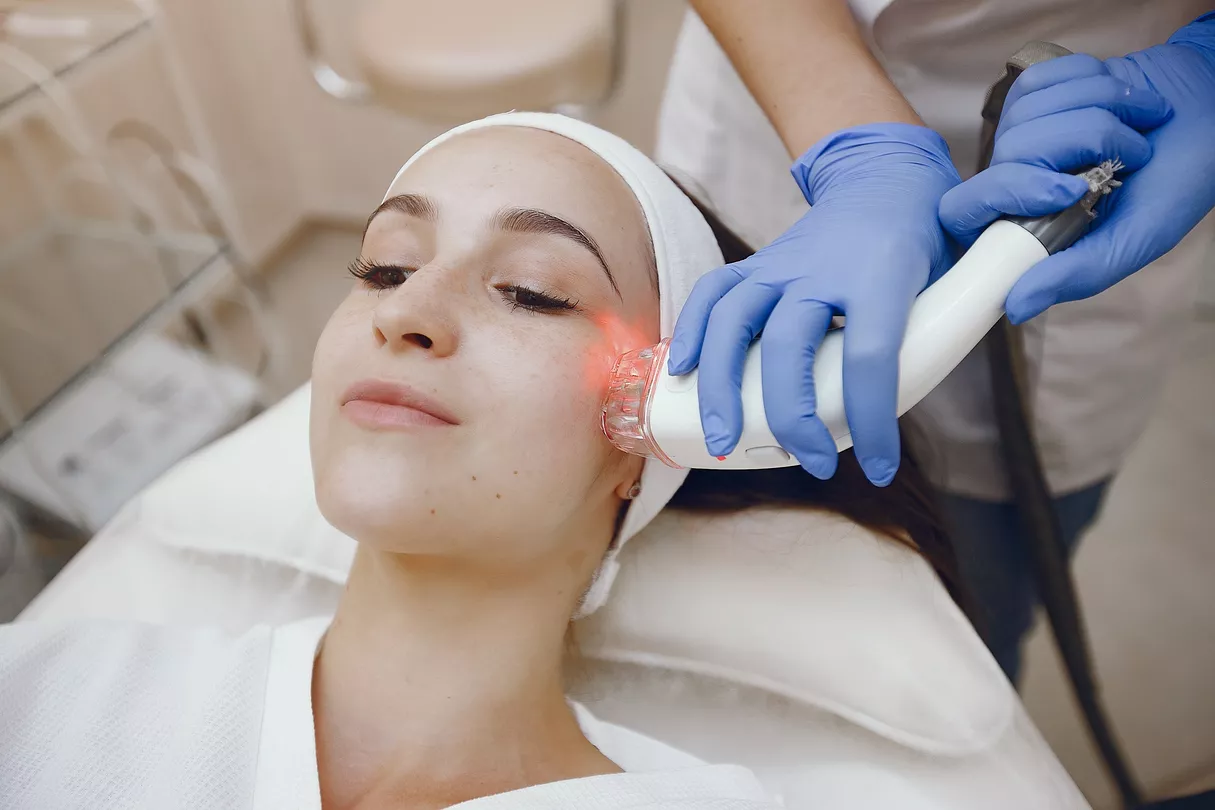
Skin resurfacing offers a path to improved skin texture through various treatment methods. These techniques work by removing damaged surface layers, revealing smoother skin underneath. Medical professionals employ various approaches, ranging from chemical peels to laser treatments, each targeting specific skin concerns. Here is how these methods work and how to make informed decisions about your skincare process:
Reducing Wrinkles
Wrinkles develop as collagen production decreases with age. Chemical peels remove the outer layers of skin, stimulating new cell growth in the process. Laser resurfacing targets deeper layers, promoting collagen renewal through controlled thermal damage. Microneedling creates tiny punctures that trigger the skin’s healing response.
Professional treatments typically require multiple sessions spaced weeks apart. The depth of treatment varies depending on the severity of the wrinkles and the individual’s skin type. Some patients notice initial improvements within days, while full results may take several months to appear.
Skin resurfacing aftercare is helpful for optimal healing and to minimize the risk of complications. This includes avoiding sun exposure and using recommended skincare products. Consulting with a qualified professional prior to treatment is essential to determine the most suitable approach for individual skin concerns.
Diminishing Scars
Scar tissue forms differently from normal skin tissue. Laser treatments create microscopic wounds in scarred areas, stimulating the regeneration of healthy tissue. Chemical peels break down the bonds of scar tissue at the molecular level. Different scar types respond to different treatment approaches. Raised scars may require different techniques than depressed scars. Treatment plans typically involve multiple sessions over several months to achieve optimal texture improvement.
Reducing Fine Lines
Fine lines appear in areas of repeated facial movement and sun exposure. Superficial chemical peels target the uppermost skin layers where fine lines form. Light therapy stimulates cellular activity without removing skin tissue.
Radiofrequency treatments heat the dermis to tighten existing collagen fibers. These treatments work gradually, with improvements becoming visible over time. Most patients benefit from maintenance sessions to preserve results. The treatment area may appear slightly red for a few days after the procedure.
Removing Warts
Warts result from viral infections that create raised, textured growths on the skin. Cryotherapy freezes wart tissue, causing it to die and fall off naturally. Laser ablation destroys wart tissue through the application of precise light energy. Chemical treatments dissolve wart tissue over multiple applications. The surrounding skin requires protection during treatment to prevent damage. Complete wart removal may require several treatment sessions. New skin growth typically appears smooth once healing is complete. Different wart types may respond better to specific removal methods:
- Standard warts may respond well to cryotherapy
- Flat warts may benefit from chemical peels or laser treatments
Schedule Skin Resurfacing Treatments
A professional assessment determines which resurfacing technique suits your specific skin concerns. Pre-treatment preparation may include specific skincare routines or adjustments to medication. Post-treatment care instructions help optimize healing and results. Treatment timing matters for optimal outcomes. Scheduling treatments during less sunny seasons reduces complications from sun exposure. Recovery periods vary depending on treatment depth and individual healing rates. Contact a dermatology practice today to schedule your consultation. They can assess your skin and recommend the most appropriate treatment approach for your specific needs and goals.
About the Author