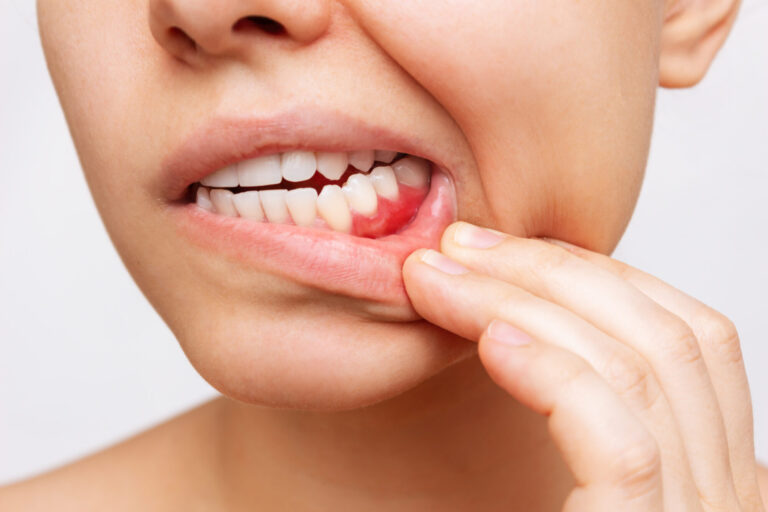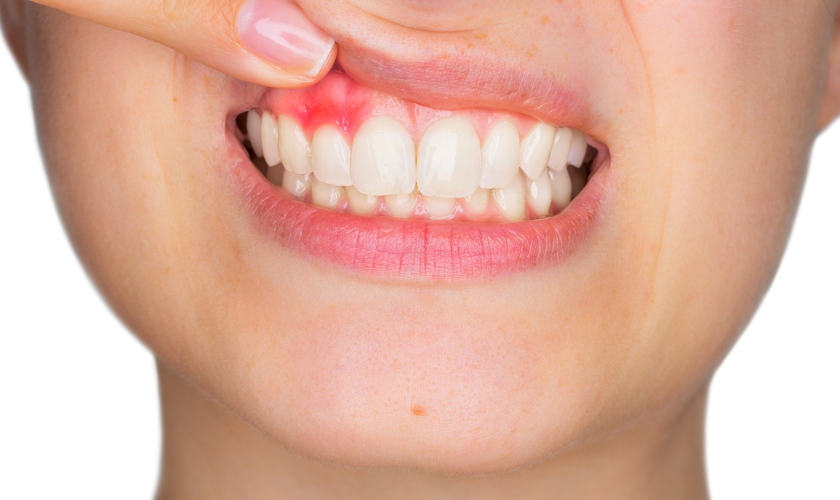
Healthy gums serve as the foundation for strong teeth and overall oral health. Periodontal disease affects nearly half of adults over 30, making gum care a component of dental hygiene. Understanding proper gum maintenance techniques can help you avoid costly dental procedures and preserve your natural smile for years to come.
Brush and Floss Daily
Proper brushing technique removes plaque buildup along the gum line, where bacteria accumulate throughout the day and can contribute to the development of periodontal disease. Use a soft-bristled toothbrush against your gums, making gentle circular motions for two full minutes. Replace your toothbrush every three to four months, or sooner if bristles become frayed or worn.
Daily flossing reaches areas your toothbrush cannot access, particularly between teeth and below the gum line. Guide dental floss gently between each tooth, curving it around the base in a C-shape to clean thoroughly. Use an antimicrobial mouthwash after brushing and flossing to reduce bacteria that contribute to gum inflammation and bleeding.
Schedule Regular Dental Visits
Professional cleanings remove tartar that can’t be eliminated at home, using specialized tools to target areas above and below the gum line where bacteria collect. Regular exams help detect gum disease early, identifying issues like gum recession or bone loss before they become severe. Early intervention prevents the need for extensive treatments and helps preserve your natural teeth.
Eat a Balanced Diet
Nutritious foods support gum tissue health and help your body fight infection naturally. Foods rich in vitamin C, such as citrus fruits and leafy greens, support collagen production in gum tissues. Calcium-rich dairy products and leafy vegetables strengthen teeth and jaw bones that support your gums.
Limit sugary and starchy foods that feed harmful bacteria in your mouth. When you do consume these items, rinse with water afterward to reduce their impact on your oral environment. Crunchy fruits and vegetables like apples and carrots can help clean the surface of teeth and stimulate saliva production, which naturally cleanses your mouth throughout the day.
Quit Smoking for Health
Tobacco products significantly increase your risk of developing periodontal disease by reducing blood flow to the gum tissues. Smoking impairs your immune system’s ability to fight off bacterial infections in your mouth. Nicotine also masks early warning signs of gum disease, such as bleeding, making it harder to detect problems in their initial stages.
Quitting tobacco use allows your gums to heal and improves your body’s natural defense mechanisms. Within weeks of stopping, you may notice improved gum color and reduced inflammation. Your dental professional can provide resources and support to help you successfully eliminate tobacco from your daily routine.
Protect Gums, Prevent Periodontal Disease
Maintaining healthy gums requires consistent daily habits combined with professional dental care. The techniques outlined above work together to create an effective defense against periodontal disease. Remember that prevention is always more comfortable and cost-effective than treating advanced gum disease. Schedule your next dental cleaning if it has been more than six months since your last visit, and discuss any concerns about your gum health with your dental professional.
About the Author