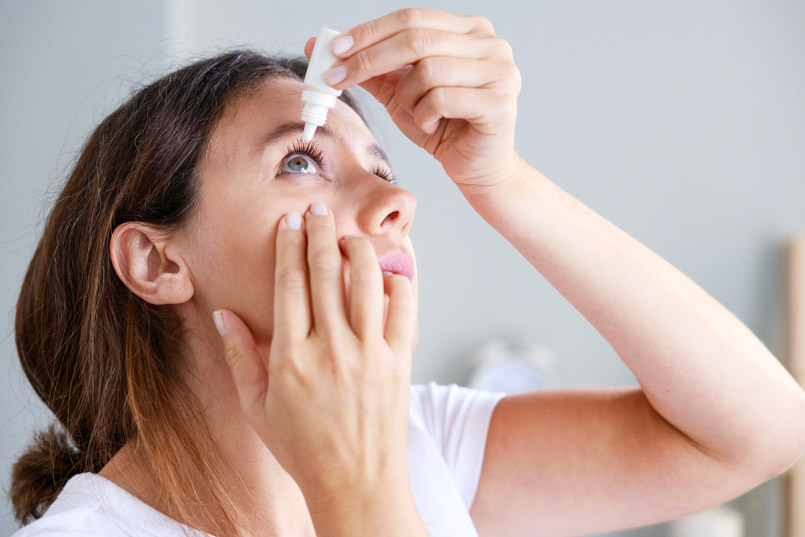
Eye drops prescribed by an optometrist may help lubricate, irrigate, and flush the eye. Some eye drops restore or balance fluid levels, while others address red eye and inflammation. Prescription eye drops also feature a wide range of ingredients commonly found in over-the-counter drugstores, but are specifically indicated for certain conditions. Here are four things to know about prescription eye drops:
1. Tailored for Specific Conditions
Eye drops typically contain a wide range of medications and beneficial substances, which is why they can address multiple conditions. Prescription eye drops are formulated to treat specific eye conditions, such as dry eyes, infections, glaucoma, inflammation, or post-surgery recovery. An optometrist prescribes a unique formula based on your diagnosis and symptoms. Due to their tailored application, using leftover drops or a friend’s formula may be ineffective or even harmful.
Eye doctors may formulate eye drops featuring astringents to break down mucus and reduce eye discharge. Some formulas feature emollients that soften dry, cracked skin around the eye. Others contain vasoconstrictors to reduce blood flow to the eye capillaries and reduce inflammation. Whether the eye drop is indicated for lubrication, rinsing, or flushing, use it for its specified purpose.
2. Come With Unique Effects
Depending on the ingredients, eye drops can numb your eyes, fight bacteria, or dilate your pupils. Doctors prescribe eye drops featuring anesthetics to reduce pain by numbing the eyes. Formulas with antibiotics are prescribed for bacterial eye infections, while those featuring antihistamines help treat itching and other allergy-related symptoms. Some eye drops have corticosteroids to reduce inflammation.
Formulas may also provide combined active agents that address dryness, bacteria, pain, inflammation, and other conditions. Examples include formulas that lower eye pressure to prevent or treat glaucoma, as well as serum eye drops that promote healing and repair. Eye drops may also contain medications that limit immune activity. Your eye doctor will explain what to expect when using the drops.
3. Remedy May Be Temporary
Eye drops can be highly effective, especially if you choose the right formula for the underlying symptoms and condition. The right formulas improve how your eyes feel and help reduce pain and inflammation. Although eye drops may lubricate dry eyes and flush discharge, they sometimes mask the underlying issue. Improved symptoms shouldn’t be mistaken for healed eye conditions.
If you experience dry eyes, discharge, pain, or other symptoms, consult a healthcare professional for a comprehensive diagnosis of the underlying issue. Common eye conditions include diabetic retinopathy, cataracts, macular degeneration, and glaucoma. Eye drops may be prescribed to enhance treatment or post-surgery recovery. Some are standalone prescriptions for specific issues, but most drops come as part of a larger treatment. Usage is often temporary, although chronic conditions can involve daily drops.
4. Requires Proper Usage Guidelines
Prescription eye drops are designed to be used in a specific manner, so the technique, dosage, and timing instructions must be followed precisely. Proper use supports effectiveness, increasing the chances of healing or recovering from the eye condition. Even if you’ve used the same eye drop before, follow the new guidelines your doctor provides. Avoid getting over-the-counter alternatives for a quick remedy. Adhering to the recommended usage allows your doctor to track the eye condition and determine whether to adjust or maintain treatment. Follow safety practices, such as avoiding contact with the dropper tip and storing the dose properly.
Speak to an Optometrist Today
Before using eye drops, speak to an experienced eye doctor. A comprehensive evaluation helps determine whether eye drops are necessary or suitable for the eye condition. Drops may help with various issues like inflammation or dry eye. Consult an optometrist today to find out more about eye exams and treatments.
About the Author