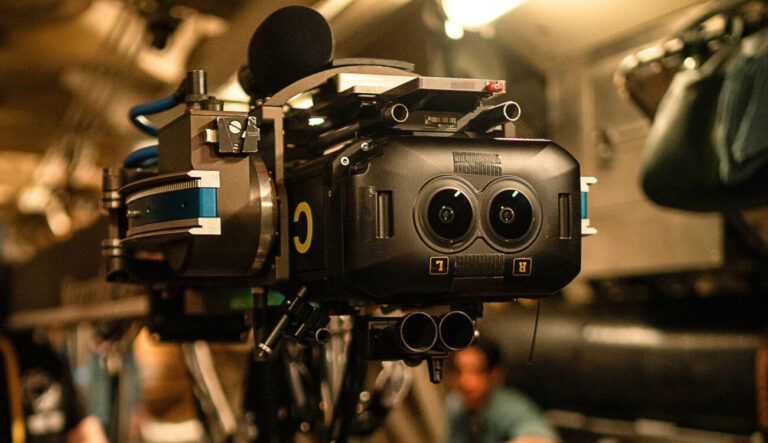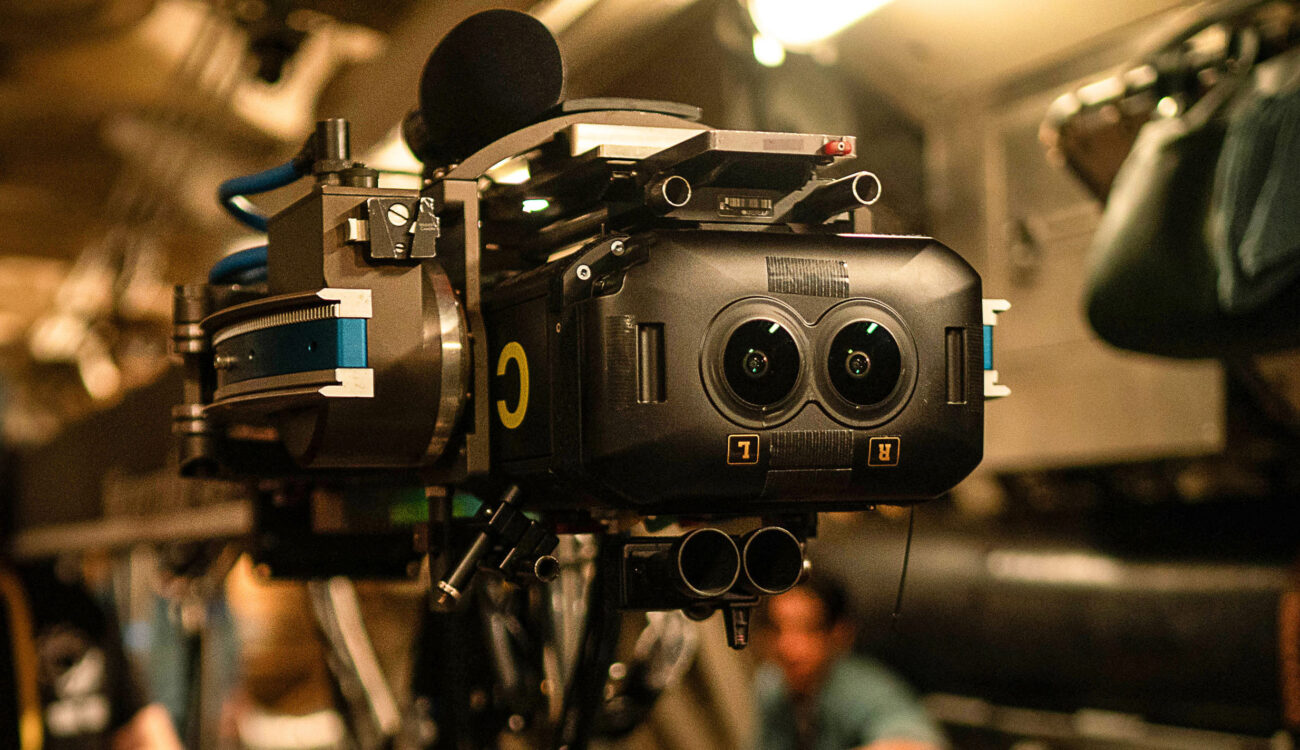
Camera technology has advanced rapidly over the past two decades. From standard definition recording to HD and then 4K resolution, each generation has improved visual clarity and realism. Today, the 8K camera represents the newest stage in imaging technology, delivering extraordinary detail and professional-level video quality.
An 8K camera is designed for creators, filmmakers, photographers, and even security professionals who require the highest image precision available. This guide explains everything in simple and easy wording — including how 8K cameras work, their features, advantages, challenges, and how to choose the right one.
Introduction to 8K Camera Technology
The demand for higher image quality continues to grow as screens become larger and viewers expect more realistic visuals. Streaming platforms, cinema production, and digital media creators increasingly rely on ultra-high-definition recording to produce sharp and immersive content.
An 8K camera captures significantly more detail than earlier technologies. While 4K once felt revolutionary, 8K now pushes image quality to a level where even tiny textures and distant objects remain sharp.
This improvement is not only about sharper images; it also provides flexibility during editing and ensures that content remains compatible with future display technology.
What Is an 8K Camera?
An 8K camera is a digital camera capable of recording video at a resolution of approximately 7680 × 4320 pixels. This equals more than 33 million pixels in a single frame.
To better understand the difference, consider the comparison below:
| Resolution Type | Pixel Dimensions | Approximate Pixels |
|---|---|---|
| HD (1080p) | 1920 × 1080 | 2 MP |
| 4K UHD | 3840 × 2160 | 8.3 MP |
| 8K UHD | 7680 × 4320 | 33.2 MP |
An 8K camera records four times more detail than a 4K camera and sixteen times more than Full HD. This massive increase in resolution allows incredibly detailed visuals and advanced editing possibilities.
History and Evolution of Camera Resolution
The journey toward 8K technology began with early digital cameras that recorded standard-definition video. As sensor technology improved, HD cameras became widely popular, followed by the rapid adoption of 4K recording in professional and consumer markets.
Several technological advancements made 8K possible:
- Larger and more efficient image sensors
- Faster image processors
- Improved data compression methods
- High-speed storage solutions
Film studios and broadcasters were among the first to adopt 8K cameras, but today the technology is gradually reaching content creators and advanced consumers.
How an 8K Camera Works
Although the resolution is higher, the working principle of an 8K camera remains similar to other digital cameras.
Light enters through the camera lens and reaches the image sensor. The sensor contains millions of pixels that capture brightness and color information. A powerful image processor converts this data into digital video or photographs.
Because 8K recording generates enormous amounts of information, advanced compression technology reduces file size while maintaining quality. The footage is then stored on high-speed memory cards or external drives.
The process involves several stages:
- Light capture through optics
- Sensor data collection
- Image processing and compression
- Storage and playback preparation
This workflow requires significantly stronger hardware compared to lower-resolution cameras.
Key Components of an 8K Camera
Understanding the main parts of an 8K camera helps explain why these devices deliver exceptional performance.
Image Sensor
The sensor is the heart of the camera. It captures extremely detailed information using millions of pixels. Larger sensors typically produce better image quality and improved low-light performance.
Lens System
High-resolution recording demands high-quality lenses. Poor lenses can reduce sharpness even when using an advanced sensor.
Image Processor
An advanced processor handles enormous data streams generated during 8K recording, ensuring smooth performance and accurate colors.
Storage Media
8K video requires fast storage solutions such as high-speed memory cards capable of handling large data rates.
Cooling System
Many 8K cameras include cooling mechanisms to prevent overheating during long recording sessions.
Main Features of 8K Cameras
Modern 8K cameras include a range of advanced features designed for professional production.
One of the most important features is ultra-high resolution recording, which captures extraordinary detail suitable for large screens and cinematic projects. High Dynamic Range (HDR) allows cameras to record both bright highlights and deep shadows more accurately, creating natural-looking images.
Advanced autofocus systems track subjects precisely, while image stabilization helps reduce shake during handheld shooting. Professional color profiles allow editors to adjust colors extensively during post-production.
These combined features make the 8K camera a powerful creative tool rather than just a higher-resolution device.
Types of 8K Cameras
Different industries use 8K cameras in various forms depending on their needs.
Professional Cinema Cameras
These cameras are used in movie production and commercial filmmaking. They provide maximum image quality and flexible editing options.
Mirrorless and DSLR Cameras
Hybrid cameras capable of both photography and 8K video recording are popular among content creators and photographers.
Action and 360° Cameras
Compact 8K cameras allow immersive filming for adventure sports and virtual reality experiences.
Security and Surveillance Cameras
High-resolution security systems use 8K cameras to monitor large areas while maintaining clear identification details.
Advantages of Using an 8K Camera
The biggest advantage of an 8K camera is exceptional image clarity. Fine textures, distant subjects, and subtle details remain visible even after zooming or cropping footage.
Another major benefit is future-proofing. Content recorded today in 8K will remain relevant as display technology continues evolving.
Editors also gain creative flexibility. Footage can be reframed, stabilized, or cropped without noticeable loss of quality. Digital zoom becomes more effective because extra resolution preserves detail.
Limitations and Challenges of 8K Cameras
Despite impressive capabilities, 8K cameras also introduce practical challenges.
| Challenge | Explanation |
|---|---|
| Large file sizes | Require significant storage space |
| High computing power | Editing needs powerful computers |
| Higher cost | Equipment is more expensive |
| Limited 8K displays | Few households own 8K screens |
These factors mean many users still rely on 4K unless professional needs justify upgrading.
8K Camera vs 4K Camera Comparison
Choosing between resolutions depends on user needs.
| Feature | 4K Camera | 8K Camera |
|---|---|---|
| Image Detail | High | Extremely High |
| Editing Flexibility | Good | Excellent |
| Storage Requirement | Moderate | Very High |
| Price | Affordable | Premium |
| Professional Usage | Common | Advanced Production |
An 8K camera becomes valuable when maximum quality and editing flexibility are priorities.
Common Uses of 8K Cameras
8K cameras are increasingly used across multiple industries. Film production benefits from cinematic detail, while YouTube creators record in 8K to allow cropping and future-proof uploads.
Wildlife and sports photographers use 8K resolution to capture distant subjects clearly. Security systems benefit from wide-area monitoring without losing identification detail. Virtual reality creators also rely on 8K resolution to produce immersive experiences.
Storage and Hardware Requirements
Handling 8K footage requires advanced equipment. Recording even a few minutes can consume several gigabytes of storage.
Typical requirements include:
- High-speed memory cards
- Powerful CPUs and GPUs
- Large external drives
- Professional editing software
Without adequate hardware, editing performance may become slow.
Editing and Workflow for 8K Video
Post-production is one of the strongest advantages of 8K recording. Editors often downscale 8K footage to 4K, producing extremely sharp final videos.
Extra resolution allows stabilization, zooming, and framing adjustments while maintaining excellent image quality. Professional workflows often involve proxy files to make editing smoother on standard computers.
Who Should Buy an 8K Camera?
An 8K camera is ideal for professionals who demand maximum image quality. Filmmakers, commercial videographers, advanced photographers, and production studios benefit most from the technology.
Casual users may find 4K sufficient unless they want future-ready content or advanced editing flexibility.
Buying Guide: How to Choose the Right 8K Camera
Before purchasing, buyers should consider several important factors.
Sensor size affects image quality and low-light performance. Lens compatibility determines creative flexibility. Recording formats influence editing workflow, while battery life and heat management affect long recording sessions.
Balancing these factors helps users select a camera suited to their projects and budget.
Future of 8K Camera Technology
The future of imaging technology points toward wider adoption of 8K recording. Improvements in compression, faster processors, and affordable storage solutions are making ultra-high-resolution video more accessible.
As streaming platforms and displays evolve, 8K cameras may eventually become the standard for professional and consumer content creation.
Frequently Asked Questions (FAQs)
1. Is an 8K camera better than 4K?
Yes, it provides significantly more detail and editing flexibility.
2. Do I need an 8K screen to use an 8K camera?
No, footage can be viewed or exported in lower resolutions.
3. Are 8K cameras expensive?
They are generally more expensive but prices continue to decrease.
4. Is 8K useful for photography?
Yes, individual frames from 8K video can act as high-resolution photos.
5. Is 8K the future of video production?
Many professionals believe it will become increasingly common as technology advances.
Conclusion
The 8K camera represents the cutting edge of modern imaging, offering unmatched detail, creative flexibility, and future-ready video quality. While it requires stronger hardware and larger storage capacity, the benefits make it an excellent investment for professionals and serious creators.
As technology continues to advance, 8K recording is expected to move from a premium feature to a mainstream standard, shaping the future of photography, filmmaking, and digital media production.
About the Author